


What really defines a room?
Is it the walls? The lighting? The proportions?
Or perhaps something we usually don't even notice: sound.
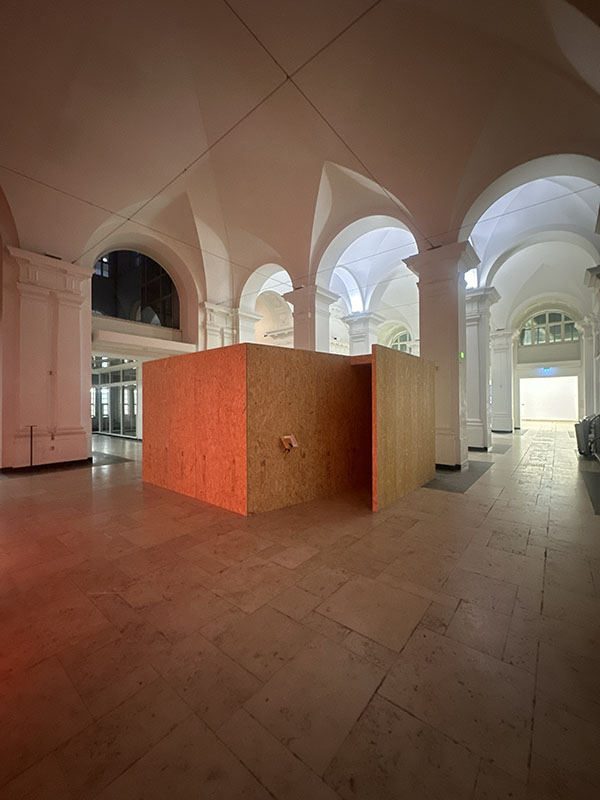
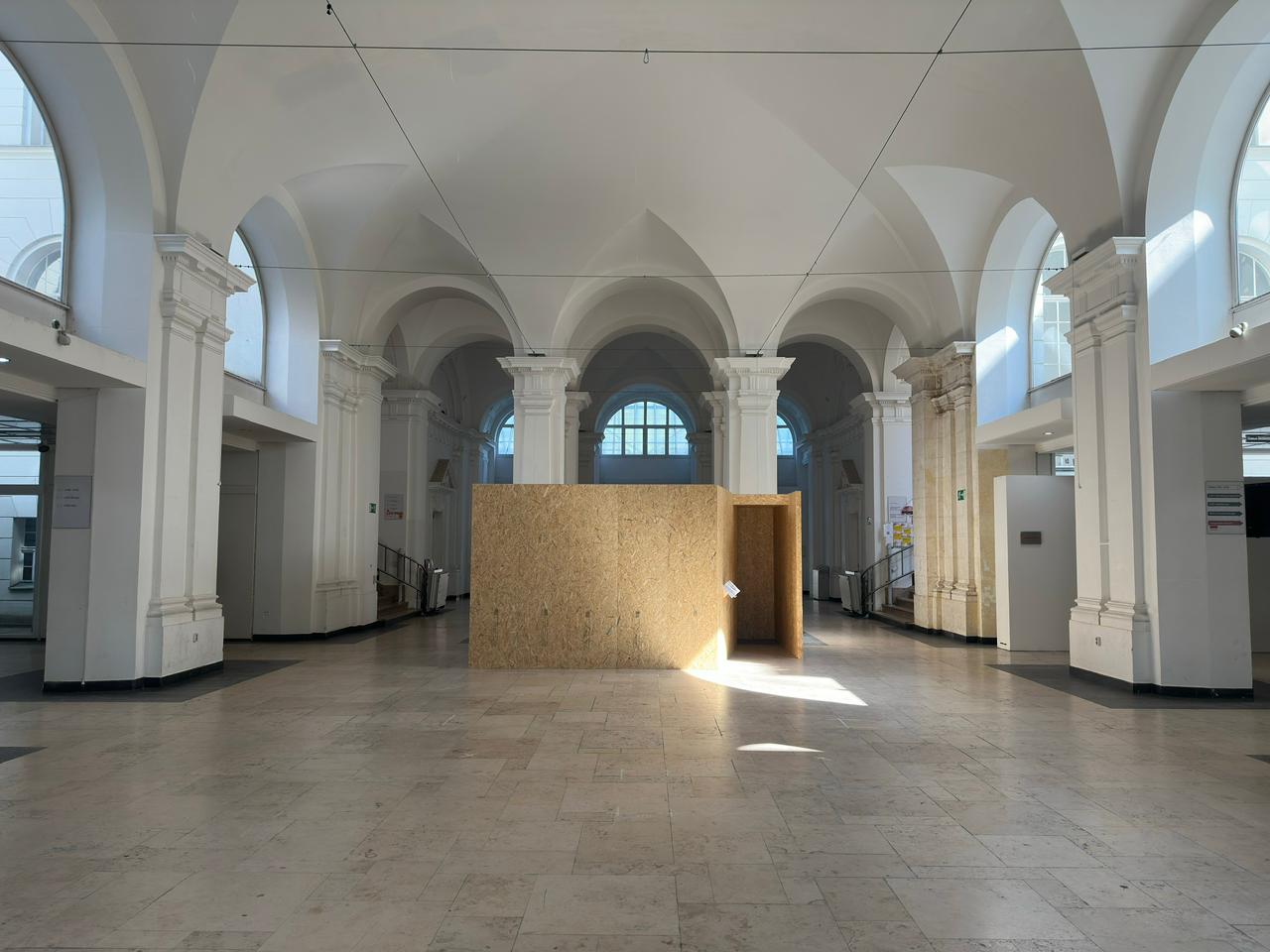
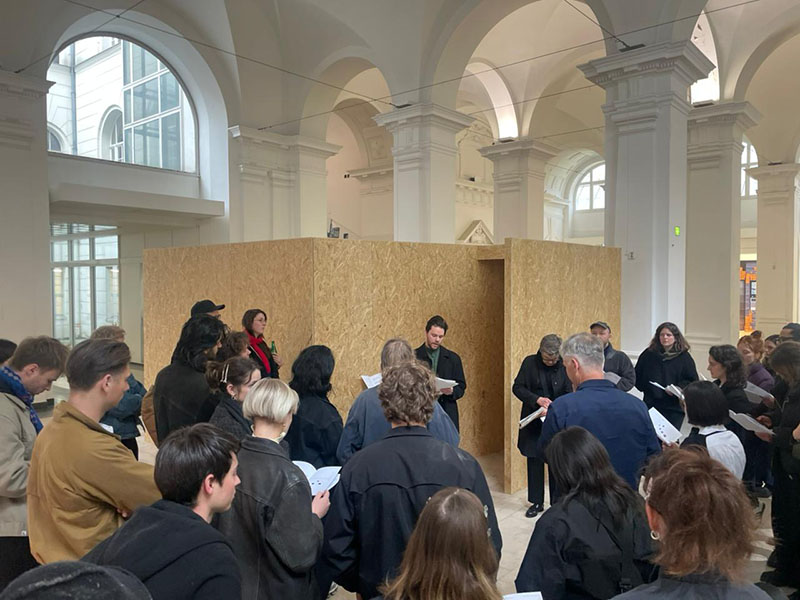
Ástvaldur Axel Þórisson explored precisely this question in his master’s thesis for the architecture program at the Berlin University of the Arts. Under the title “Shape of Space – Sound as Material: 8 Walls – 8 Sine Waves,” he developed a walk-in installation that makes space not only visible but also audible. For the implementation, SORIWA provided the SORIWA Multi-System, thereby supporting an extraordinary research project at the intersection of architecture, acoustics, and materiality.
Particularly gratifying: The thesis has been officially nominated for the Max Taut Prize, making it one of the outstanding theses of her graduating class.
Architecture begins where perception arises
In his work, Ástvaldur Axel Þórisson challenges a fundamental assumption in architecture: that spaces are perceived primarily through sight.
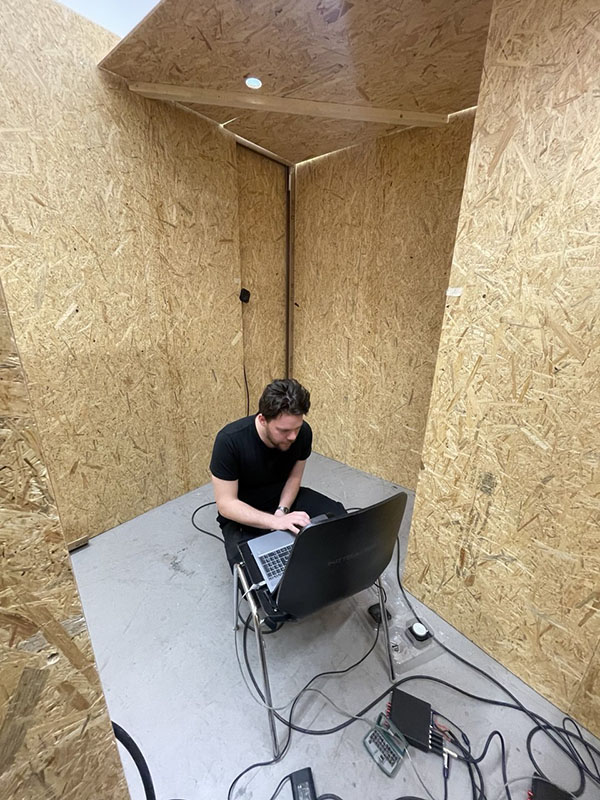
In fact, we experience buildings with all our senses. We hear the resonance of a space, feel the materials, and orient ourselves through sound as well as light. The installation brings this often-overlooked dimension of architecture to life. Eight walls form a spatial structure in which eight sine waves interact with one another. Visitors experience how sound shapes the space and how architecture itself can become an acoustic instrument. The work impressively demonstrates that space is far more than just geometry. It is atmosphere, perception, and experience all at once.
Sustainable drywall construction as the foundation for innovation
New ideas need the freedom to be tried out.
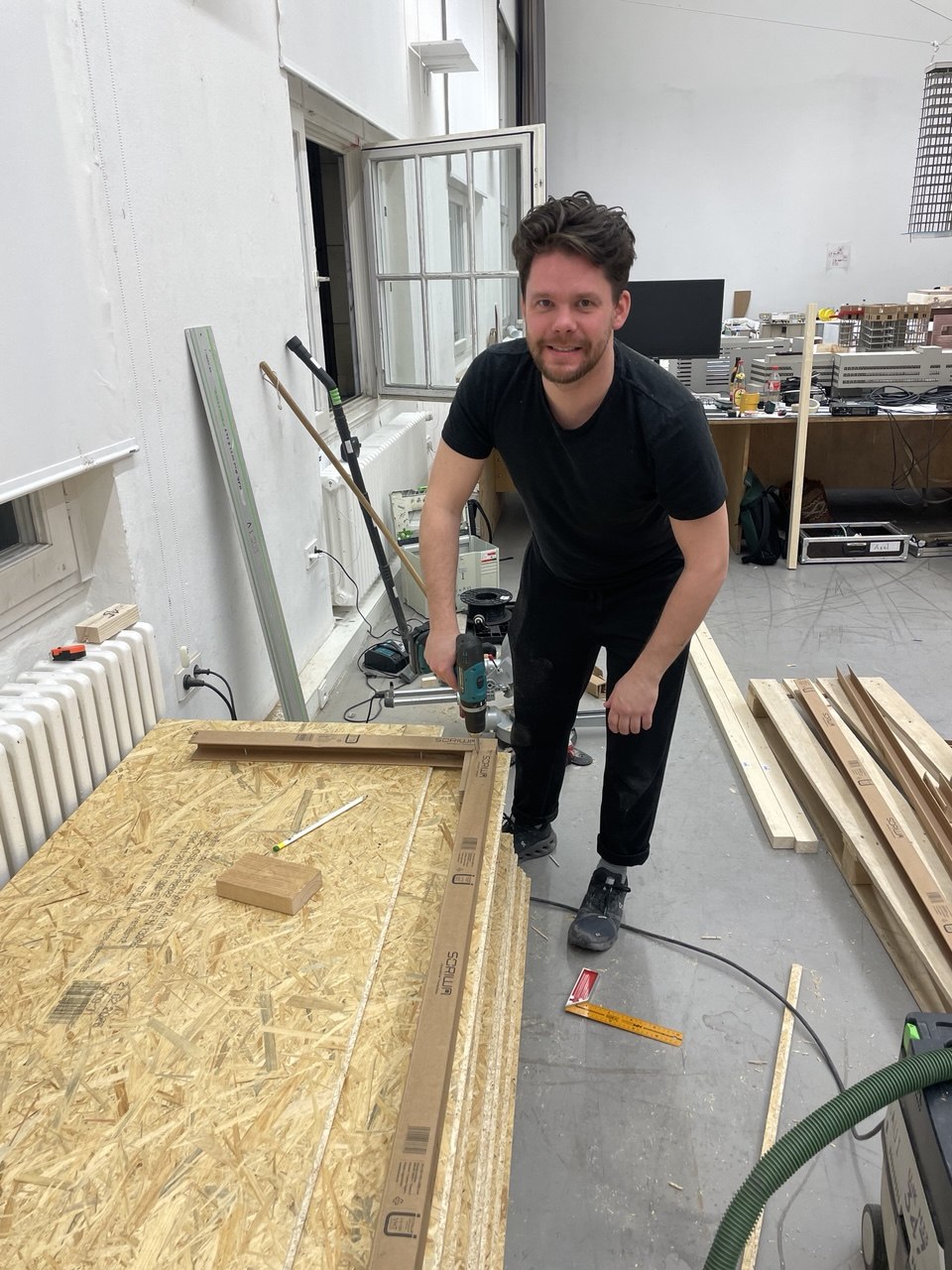
Flexible systems that can be precisely implemented, adapted, and dismantled as needed are particularly in demand in research, teaching, and experimental architecture. This is where the SORIWA Multi-System came into play.
The modular drywall elements made this installation possible and, at the same time, demonstrate the potential that modern drywall systems offer for sustainable construction. As the construction industry increasingly seeks resource-efficient solutions, recyclable materials, circular construction, and modular building methods are becoming increasingly important.
For SORIWA, this is a key part of the construction revolution: building materials should not only be functional, but also open up new possibilities—for architectural firms, tradespeople, research institutions, and investors.
The circular economy starts with new ways of thinking
When people talk about the circular economy in the construction industry, many initially think of recycling, material passports, or demolition plans.
But innovation often begins much earlier—namely, when people start asking new questions.
- How can we rethink spaces?
- How can sustainable building materials enable new forms of architecture?
- How can materials be used in a way that ensures they remain flexible, durable, and sustainable?
Ástvaldur Axel Þórisson’s master’s thesis does not provide any definitive answers. However, it impressively demonstrates how important experimentation is for developing the architecture of tomorrow.
Nominated for the Max Taut Prize
We are particularly pleased that the project has garnered attention beyond the university. The installation has been officially nominated for the Max Taut Prize —an award that recognizes outstanding achievements in the field of architecture. The nomination confirms the project’s high creative and conceptual quality. At the same time, it demonstrates that innovative approaches at the intersection of space, sound, and materiality are becoming increasingly significant.
For SORIWA, this is further proof of how important it is to foster bold ideas and young talent. After all, the future of construction takes shape where research, creativity, and practical implementation come together.
Research Meets Practice
For us at SORIWA, projects like this are much more than just sponsorship. They demonstrate how sustainable drywall construction, innovative building materials, and circular construction methods can become part of a broader transformation. The integration of research and practice opens up new possibilities for the entire industry—from the university to the construction site. After all, the future of construction isn’t shaped by new products alone.
It comes from new ideas.
Thank you for an inspiring project
We would like to thank Ástvaldur Axel Þórisson for his trust and are delighted that the SORIWA Multisystem was able to be part of this exceptional project, which has been nominated for the Max Taut Prize. Projects like this demonstrate just how versatile sustainable building materials can be—and how exciting the intersection of architecture, research, acoustics, and the circular economy can be.
We wish him every success in his future endeavors and look forward to his next ideas that will redefine the concept of space.